The Soul-Guiding Lantern: Light at the Head of a Chinese Funeral
A traditional Chinese funeral procession does not simply move a coffin from one place to another. It leads something. At the head of the column walks a family member carrying a white lantern or a long paper banner, and the entire procession is arranged behind that light. The object is the yin hun deng (引魂灯), the soul-guiding lantern, and everything about how it is carried is prescribed.
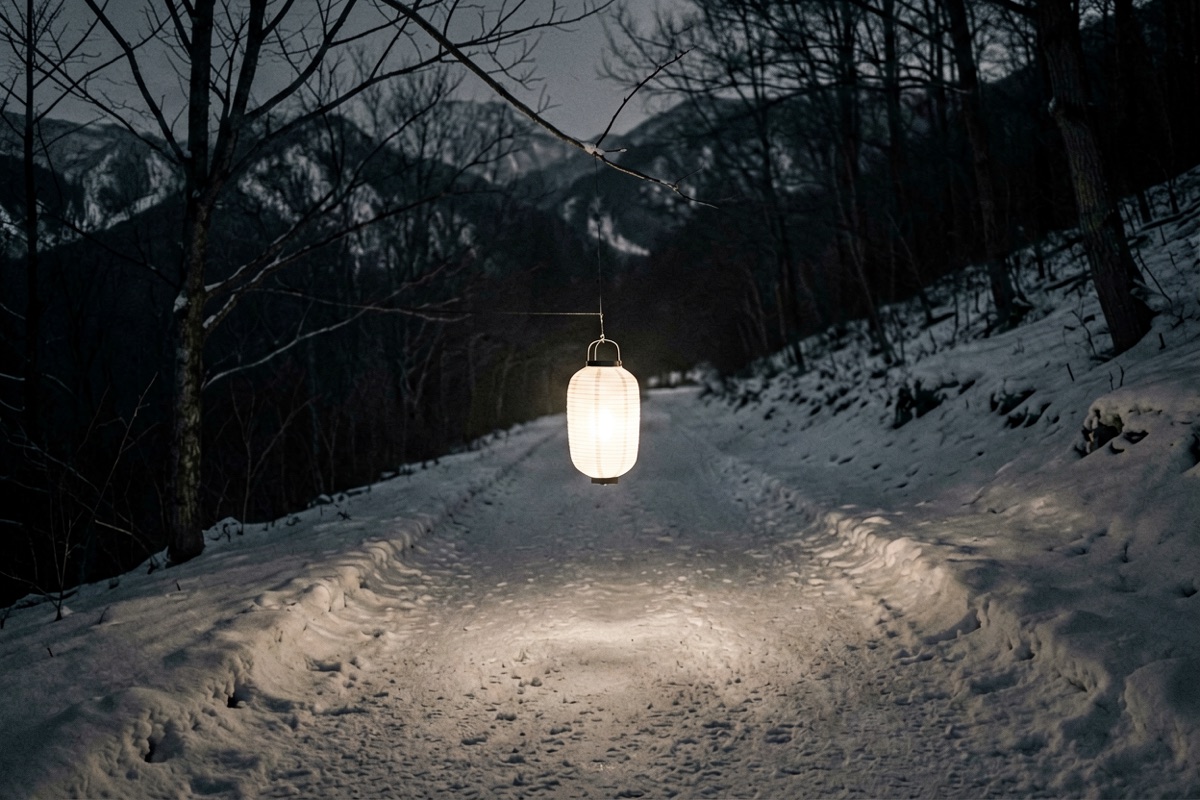
Leading rather than carrying
The organising idea of a Chinese funeral procession is guidance. The deceased is understood to be newly homeless, unfamiliar with the road, and liable to be lost or waylaid; the procession's job is to conduct them, which is why the lantern or banner goes at the front and the coffin follows it. In many regions paper money is thrown ahead along the route — described variously as road money, as payment for passage, and as a way of occupying anything that might otherwise attach itself to the party. The point of the arrangement is directional. A funeral is not a removal; it is an escort with a defined destination and a light at the head of it.
Who carries it, and the rule against turning
The lantern or banner is carried by the chief mourner — conventionally the eldest son, or the closest male descendant available, and in modern practice frequently a daughter. The near-universal instruction is that this person walks first and does not turn around. The reason given is the one attached to every Chinese leading-rite: what follows is behind you, and looking back interrupts the following. The same prohibition appears in soul-calling, in the seventh-night withdrawal, and in the folk stories about being accompanied home along a night road. It is one of the most consistent rules in Chinese folk practice, and one of the most reliably chilling when a story chooses to break it.
Lamp, banner, and the lamps of the Dipper
The lantern has a close relative in the yin hun fan (引魂幡), a long vertical paper banner on a pole, inscribed with the deceased's name and titles and carried in the same position. Some regions carry both. Behind both stands the wider Chinese practice of ritual lamps: the chang ming deng (长明灯) at the head of the coffin, the perpetual lamps placed in tombs, and in Taoist liturgy the lamp arrangements of the Dipper rites, in which a specified number of lamps is lit and tended in a fixed pattern to petition on behalf of a soul. Light in this tradition is not symbolic decoration. It is treated as infrastructure — the thing that makes a road exist.
Snow, mud and the folklore of the return
The lantern generates a specific and widespread body of ghost story, all of it turning on the same detail: what the ground shows afterwards. Two people walk out, one set of prints comes back; a lantern is seen going up a hill with nobody visibly holding it; a procession is met on a road where no funeral is scheduled. Folklorists class these with the international corpus of phantom-procession tales, and their persistence is easy to understand. A funeral is the one occasion on which a community deliberately walks in a line through the dark carrying a light, and any tradition that does that will grow stories about what else is walking in the line.
Fiction · Tales of the Hidden Path
The Soul Lantern
It snowed the night they buried her, which everyone said was auspicious, and the road up to the family ground was under four inches of it by the time the procession formed.
He carried the lantern because he was the eldest. His uncle told him twice what he already knew: walk in front, keep it lit, do not turn around.
The wind came off the ridge and the paper luffed and twice he thought the flame had gone, and both times it came back. Behind him he could hear them — the shuffle of the bearers, the drum, his aunt's crying, the whole weight of the family moving up the hill in his wake. He kept his eyes on the ten feet of snow in front of the lantern and he did not turn around, all the way to the top, and he was proud of that afterwards in the shabby way you are proud of small things at a funeral.
At the grave he set the lantern down and let his shoulders drop and finally looked back down the slope they had come up.
The snow was unmarked except for one line of footprints, and the line was his.
He was still working out what to say about it when his uncle came up beside him, and put a hand on his shoulder, and said, without any particular emphasis, that he had done it properly, and that the lantern had led her the whole way.
The bearers were setting the coffin down behind them. He could hear the drum. He had heard all of it, every step of the way up.
He did not turn around again.
An original short story written for our folklore film series. It is fiction — invented, not a recorded case, not a claim about how any of the customs above actually work. The belief it is built on is real; everything that happens in it is not. See our honesty policy。
A dedication rite performed in your relative's name — petition, incense, recitation. We tell you exactly what it consists of and promise nothing beyond it.
Memorial Blessing Services →FAQ
What is the difference between the 引魂灯 and 引魂幡?
The deng is a lantern, the fan is a long inscribed paper banner on a pole. Both are carried at the head of the procession for the same purpose; which is used, or whether both are, depends on region and family tradition.
Who is supposed to carry it?
The chief mourner — traditionally the eldest son or nearest male descendant, though in contemporary practice daughters commonly carry it. The carrier leads the procession and, by custom, does not look back.
Why is paper money thrown along the route?
It is described as road money — payment for passage, and a distraction for anything that might attach itself to the procession. It also serves the practical purpose of marking the route the family has taken.
Is the lantern kept afterwards?
No. Like most Chinese funerary paper goods, the lantern and banner are burned at the graveside or shortly after interment. Their purpose ends when the journey does.
Related: Paper Offerings: Why the Chinese Burn Houses, Servants and Money · The Ghost Market: China's Pre-Dawn Trade and Its Legend · Free BaZi Calculator · Free I Ching Reading