Glare Sha: When the Building Opposite Throws Light Into Your Home
Most of the classical sha are shapes: a road pointing at you, a roof corner, a gap between towers. Guang sha (光煞) is different. It is light — glare thrown off a glass curtain wall opposite, a floodlit sign, headlights sweeping a bedroom wall. It is the most recent addition to the traditional list, and the one where traditional complaint and measurable harm line up most exactly.
A new sha for a new building type
The classical sha catalogue was assembled for a built environment of tiled roofs, courtyard walls, lanes and watercourses. Glass curtain walls did not exist, and neither did floodlighting. Guang sha entered the vocabulary in the twentieth century as practitioners started receiving a complaint their inherited list did not cover, and slotted it in alongside the older forms. It is a useful illustration of how a living tradition behaves — feng shui did not decline to have an opinion about mirrored office towers merely because the classics were silent on them.
What glare actually does
Here the traditional account and the evidence run together closely. Specular reflection off a glass facade can raise local illuminance dramatically for part of the day and produce disability glare — the eye simply cannot adapt across that range. Documented consequences include eye strain, headache, and in extreme cases measurable heat gain; there are well-known cases internationally of concave glass facades focusing sunlight enough to damage property below. Light at night is a separate and well-studied problem: exposure suppresses melatonin and disrupts sleep timing. A tradition that says a bright thrown light into a bedroom disturbs the household is not making an unusual claim.
How the patch moves
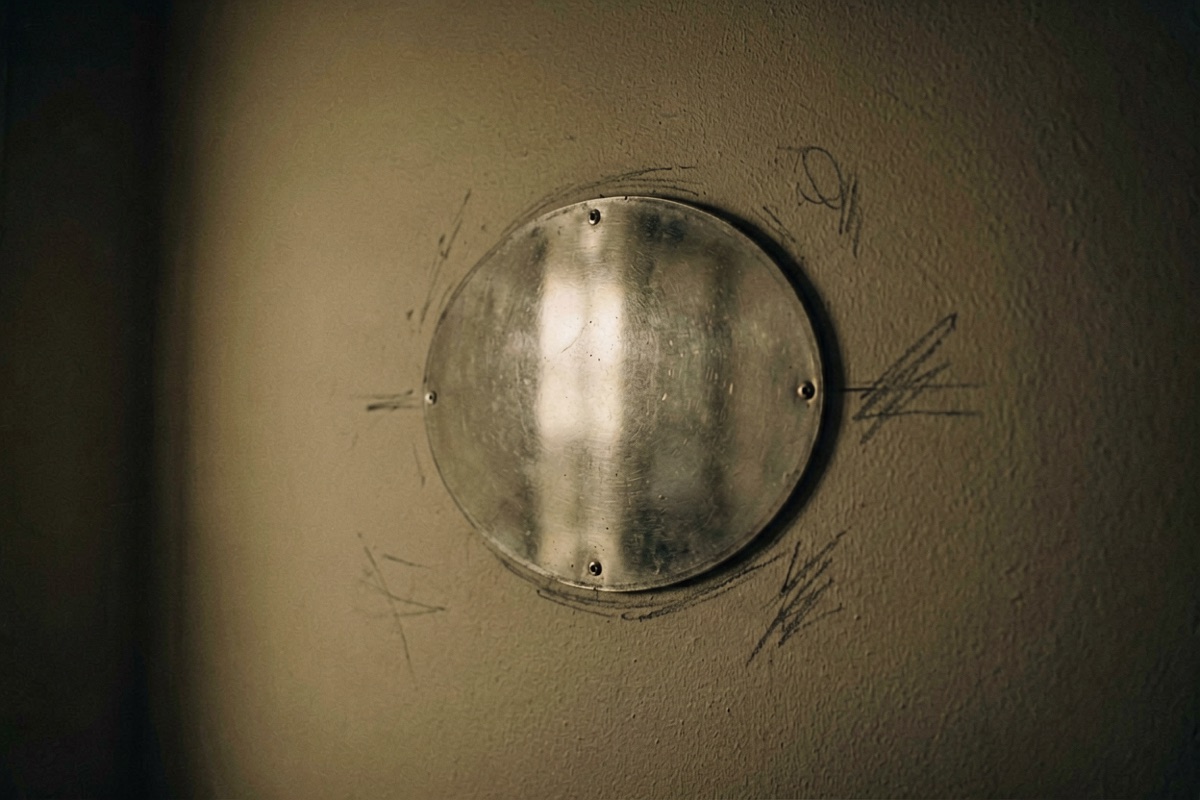
One feature of glare that surprises people is how regularly it behaves. A reflected patch on an interior wall moves through the day and also through the year, tracking the sun's changing declination; over twelve months, a point recorded at the same clock time each day traces the elongated figure-of-eight called an analemma. Practitioners describe the patch as 'walking' the wall seasonally and time remedies around its worst weeks. Anyone who marks the position monthly will find the shape emerges on its own, which is one of the more pleasant discoveries available to a person annoyed by their neighbour's building.
What to actually do
Guang sha is the sha where practitioners give the least symbolic advice, because physical remedies work. Exterior shading is the most effective — planting, an awning, a screen. Interior options are blinds, heavy curtains, and low-reflectance surface finishes on the wall the patch lands on. Applied window film reduces transmission. Rearranging the room so that no seat, desk or bed sits in the patch's annual range is free and frequently sufficient. Where the source is a commercial building, glare is increasingly a planning matter with a documented complaints route, and that is a more productive avenue than a bagua mirror.
Fiction · Tales of the Hidden Path
The Patch on the Wall
The building opposite was a glass curtain wall. Around ten in the morning the reflection put an oval of light on his living room wall, about the size of a hand.
In summer it sat low, near the skirting. In winter it climbed to a metre and a half. Once a year, up and back down.
He was a surveyor and could not help himself. On the first of every month, ten o'clock, he put a pencil dot at the centre of the patch and wrote the month beside it.
Three years, thirty-six dots. Joined up they made a long thin figure-of-eight, two loops crossing in the middle. He knew what it was — the sun traces that shape over a year — and he was rather pleased with it.
On the first of January in the fourth year, the patch did not move.
It was in the same place on the first of February. March. April.
He went over to ask the management company. They pulled the records: that facade had been replaced three years ago after complaints about glare. He went and looked. Solid pale grey render, not a pane of glass in it.
He came home and looked at the wall.
The crossing point of the figure-of-eight sat at one metre ten.
That is where the head of his bed is. The bed was not there when he moved in. He shifted it into that corner in his second year.
An original short story written for our folklore film series. It is fiction — invented, not a recorded case, not a claim about how any of the customs above actually work. The belief it is built on is real; everything that happens in it is not. See our honesty policy。
Glare is one of thirteen classical forms. What sha qi means, how each form is identified, and how the tradition ranks the cures.
The Full Sha Catalogue →FAQ
Is 光煞 traditional?
It is a twentieth-century addition to the classical sha list, added when practitioners started getting a complaint the inherited catalogue did not cover. The older sha are all concerned with physical form rather than light.
Is reflected glare actually harmful?
Glare causes documented eye strain and headache, and severe cases of focused reflection from concave facades have damaged property. Light at night is separately well documented as disrupting sleep.
Why does the bright patch move through the year?
It tracks the sun's changing declination. A point recorded at the same clock time each day over a year traces an elongated figure-of-eight, the analemma.
What is the best remedy?
Physical, not symbolic: exterior shading or planting first, then blinds, heavy curtains, window film, and rearranging furniture out of the patch's annual range. Where a commercial building is the source, glare is often a planning matter.
Related: The Beam Overhead: Why Feng Shui Moves Your Bed · Sky Slice Sha: The Gap Between Two Buildings · Free BaZi Calculator · Free I Ching Reading