Hua Gai: The Canopy Star
Hua gai (华盖) is named for the ceremonial canopy carried above an emperor or a deity in procession — a covering that marks the person beneath it as set apart. The star has kept exactly that meaning. It indicates a particular kind of aloneness: not loneliness, but the separateness of someone under a canopy, and the tradition associates it with scholarship, religion and art.
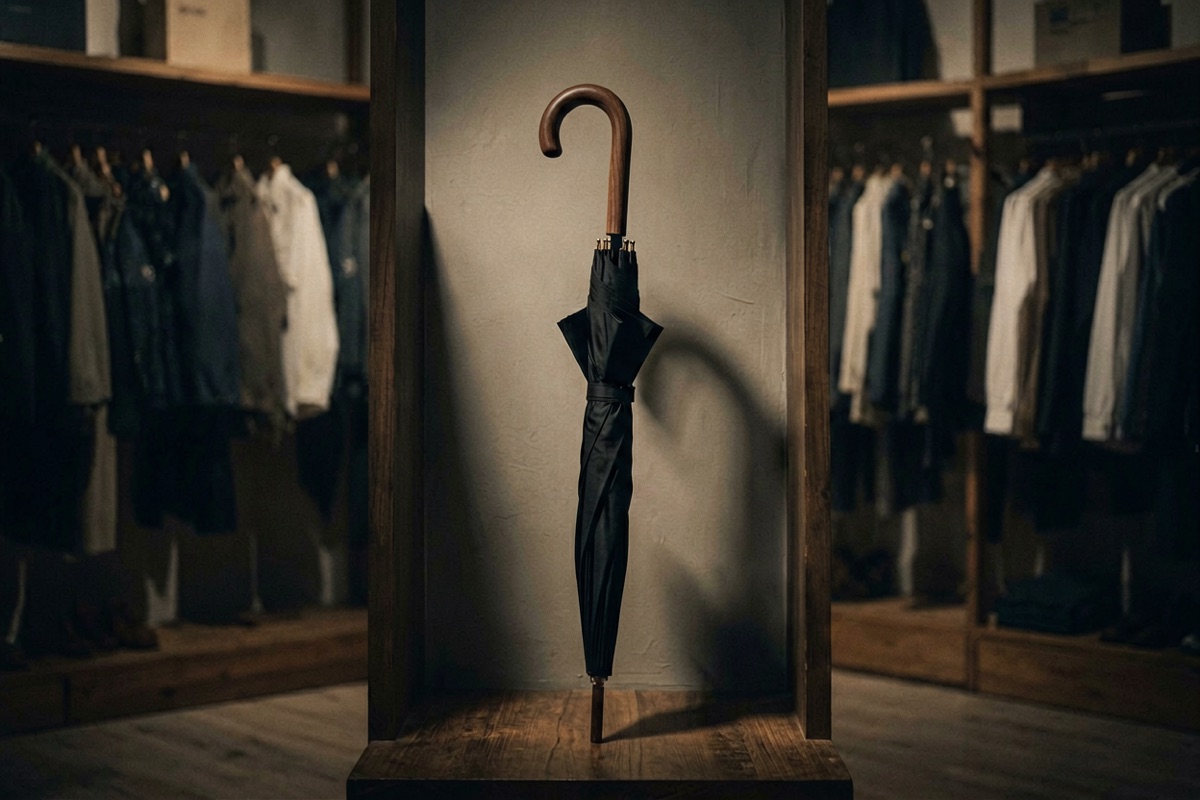
The object
A hua gai is a large ceremonial parasol on a long shaft, carried in procession above an emperor, a high official or a deity's palanquin. Its purpose is not shade. It is a marker — it says that the figure beneath it is of a different order from the people around, and it maintains a physical separation, since nobody else stands under it. Chinese processional practice regulated who was entitled to one, how many, and of what material. The star takes the object's whole meaning: elevation, distinction, and a boundary of empty air.
What the star indicates
The standard reading is aptitude for solitary and specialist work: study, religion, art, research, craft, anything conducted alone and pursued past the point where most people would stop. Classical sources associate it with monks and nuns, with scholars, and with people whose expertise makes ordinary conversation difficult. Practitioners describe the temperament rather than a fate — a preference for depth over breadth, discomfort in large groups, indifference to conventional markers of success, and a tendency to be regarded by others as slightly apart. Where the chart supports it the reading is favourable; the star's reputation among practitioners is generally good.
The caution
The traditional warning attached to the canopy star is subtler than the one attached to the solitude stars, and it is specifically about the object. A canopy is held above you. It distinguishes you and it also covers you, and the person underneath it does not get rained on, spoken to casually, or jostled. Classical commentary warns of a life that has become so specialised or so elevated that ordinary contact no longer reaches it — recognised, respected and unreachable. That is a genuinely observed pattern in people who are very good at one thing, and naming it is more useful than most star readings manage.
Recognising it
Practically, hua gai is one of the star readings clients most often confirm without prompting. People who carry it, in the tradition's terms, tend to have a history: the child who read alone, the adult with one consuming interest, the person who is described by others as hard to know and does not particularly mind. Whether a branch in a birth chart accounts for that is not a question that can be settled. What can be said is that the tradition built a respectful vocabulary for a temperament that most cultures describe less kindly, and that is worth something to the people it describes.
Fiction · Tales of the Hidden Path
The Umbrella
A customer left it in the shop. Black, wooden handle, eight ribs, one of them broken and mended with a twist of brass wire.
He put a lost-property notice on the door for three months.
Then he took it to the police station and had it logged. Six months later they rang and told him to come and collect it; nobody had claimed it and they could not dispose of it.
He donated it. The primary school was collecting wet-weather gear and it went into the box with a dozen cheap folding umbrellas.
In the second month of the new term it was in the umbrella stand outside his shop, handle outward.
He has never opened it in the rain. When it rains he uses the two-fifty disposables he sells.
One day he put it up to check the fabric for mildew.
There is wear around the edge of the canopy. A full ring of it, the fibres furred and lifting.
That is what happens when an umbrella is carried for years and the rim rubs against a coat.
He held it open at arm's length. The worn ring sits exactly at his shoulder.
He had the lad who works for him try it — half a head taller. It did not line up. The old woman from next door, a good deal shorter. It did not line up either.
An original short story written for our folklore film series. It is fiction — invented, not a recorded case, not a claim about how any of the customs above actually work. The belief it is built on is real; everything that happens in it is not. See our honesty policy。
If the canopy star reads as a temperament, the five-element personality model is where Chinese thought sets those temperaments out in full.
Temperament, Systematically →FAQ
What is 华盖?
The canopy star, named for the ceremonial parasol carried above emperors and deities in procession. It marks the person beneath as set apart, and the star carries that meaning exactly.
Is it a bad star?
Generally not. Its classical associations are with scholars, monastics, artists and specialists, and practitioners' reputation for it is good. It describes a temperament inclined to solitary depth.
How is it different from the solitary star?
The solitude stars concern being alone. The canopy star concerns being set apart — distinguished, elevated and separated by that distinction rather than by lack of company.
What is the traditional caution?
That a canopy covers as well as elevates. The commentary warns of a life so specialised or elevated that ordinary contact no longer reaches it: recognised, respected and unreachable.
Related: Kong Wang: The Void in a Chinese Birth Chart · The Mourning Gate and the Visiting Guest · Free BaZi Calculator · Free I Ching Reading